
 maltyinbar@yahoo.com

Whoa!
I was trying to log into my account the other night and something felt off. My instinct said check the URL and the two-factor settings before doing anything else. Initially I thought it was a simple password problem, but then I realized there were subtle phishing cues in the email I had clicked earlier, and that shifted the whole troubleshooting process into a security-first mode. So here I’m jotting down a practical walkthrough for traders who just want to get back to trading quickly without skipping safety steps.
Really?
If you use exchanges a lot you already know the usual checklist: correct domain, 2FA on, secure device. Yet people still get tripped up by session timeouts, stale cookies, or mobile app quirks that block login attempts. On one hand you want fast access to positions and order books, though actually balancing speed and security is always a tradeoff, especially when liquidity moves quickly and you need to act within seconds. I’ll cover steps that prioritize safety while minimizing downtime.
Hmm…
Start with the basics: confirm you’re on the real site and not a lookalike. Type the domain yourself instead of following email links, and check for HTTPS and a valid certificate. If you have doubts about a link or an unexpected password reset email, take a breath and contact support via the exchange’s verified channels rather than clicking—it’s better to lose a few minutes than a large bag of crypto. A lot of people skip the certificate check and later regret it.
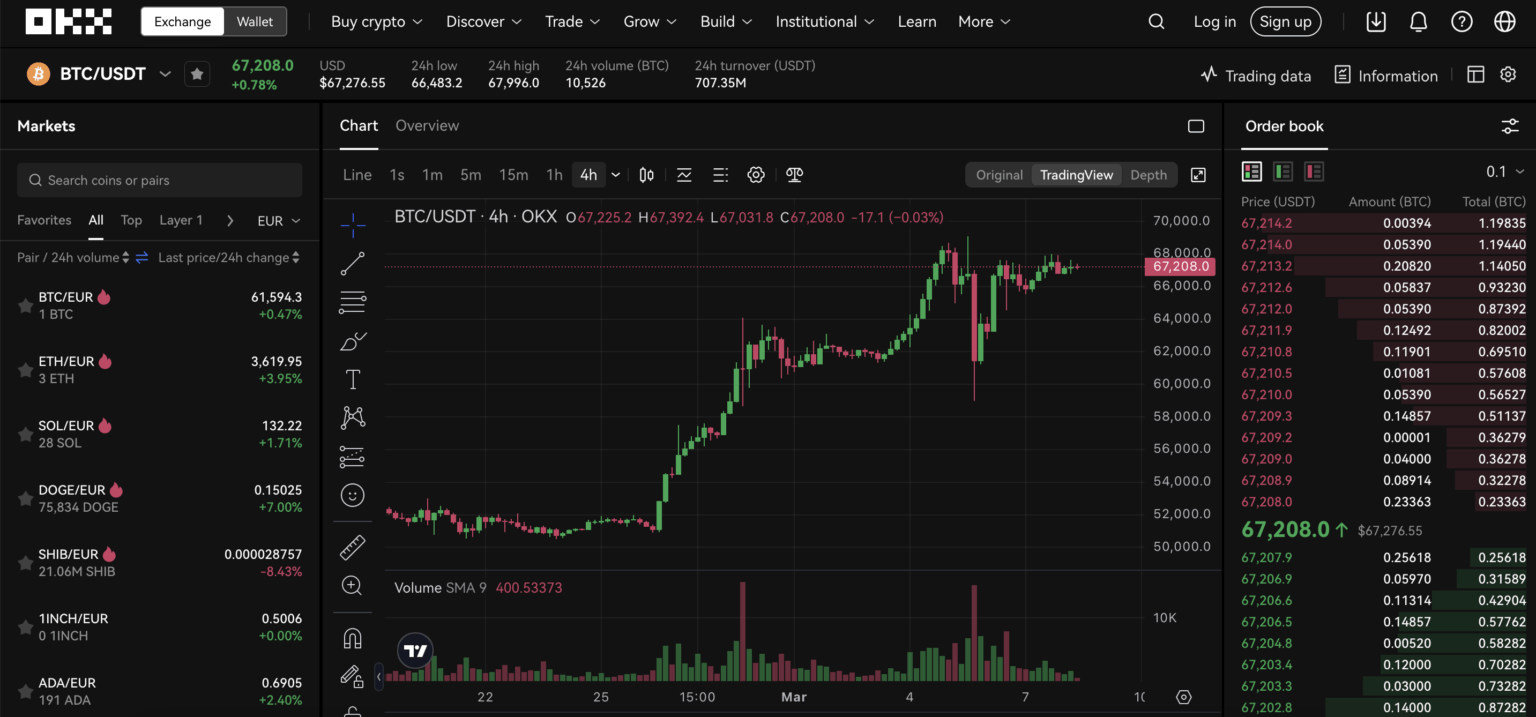
Logging into okx: practical steps
Here’s the thing.
Go directly to the official site link I trust and use: okx — bookmark it on your browser and phone. Use a password manager to fill credentials so you avoid keyloggers and typos, which are surprisingly common. If the site asks for extra verification, follow the prompts, but pause if anything looks unusual, like a request to install unexpected software or browser extensions. Remember that the exchange will never ask you to send funds to “verify” your account via email or chat.
Whoa!
Two-factor authentication is non-negotiable. Prefer an authenticator app or hardware key over SMS whenever possible, because SIM-swapping is a real threat here in the States. If you opt for a hardware key, keep it physically secure and know where your backup codes are stored—yes, offline is best. I’m biased, but hardware keys feel like seat belts to me; they add a tiny bit of friction and a lot of protection. If you lose access to your 2FA, contact verified support immediately and prepare identity verification documents.
Really?
Device hygiene matters more than most people think. Make sure your OS and browser are up to date and free of dodgy extensions, and run anti-malware scans if logins fail unexpectedly. Use a separate browser profile for trading to limit cookie cross-contamination with other sites. If you log in from public Wi‑Fi, use a trusted VPN; public networks are noisy and full of traps. Also, clear cookies and cached data if the site behaves oddly—sometimes sessions get corrupt and a fresh start helps.
Hmm…
Account recovery can be a pain if you haven’t prepared. Store your recovery phrases and backup codes offline, and never photograph them and upload them to cloud services. If you ever need to restore access, expect identity checks: recent transaction history, device fingerprints, or small test transfers are common ways exchanges verify you. Keep records of your typical login devices and IP regions; that speeds up support responses. The process is annoying, but it’s there to stop fraudsters.
Whoa!
What about the mobile app vs web? I prefer the app when I’m on-the-go, but the web interface gives quicker access to advanced charts and API keys. Apps sometimes cache sessions aggressively, which can block logins until you force-quit and clear app data. If you can’t log in on mobile but can on desktop, reinstall the app after backing up your 2FA and keys. Conversely, if desktop login fails after an update, try the web app in incognito mode to bypass extensions.
Really?
If a login is repeatedly rejected, don’t hammer the password field—some platforms rate-limit and may lock accounts after many attempts. Wait, escalate to support with screenshots and timestamps. On one hand I want you to be persistent, though actually that persistence should be methodical: document what you tried and when so support can reproduce the issue. Keep your communication concise and factual; support teams appreciate clarity and it speeds up fixes.
Hmm…
Watch for social engineering across channels. Fraudsters mirror support voices in Telegram, Discord, and Twitter DMs with convincing messages asking you to “confirm” something. Verify any support message through the exchange’s official support portal or verified social account. If someone offers to “manually unlock” your account and asks for private keys or seed phrases, that’s a scam—end of story. I say this because I once saw a friend nearly hand over a seed after a slick DM; somethin’ felt off and luckily they paused.
Whoa!
Performance tips for traders: use a wired connection when executing large trades, and keep API keys limited by permissions so bots can’t drain everything. Rotate keys periodically and revoke keys no longer in use. Monitor session logs and active sessions on the account dashboard to spot unknown logins, and sign out from stale devices regularly. These small habits can prevent a catastrophic loss during volatile market moves.
Really?
Support escalation strategies matter. If initial support chats are slow, open a ticket and follow up with proof: screenshots, wallet addresses used for deposits/withdrawals, and dates of activity. If you have a high balance, consider contacting an account manager if available—some platforms offer priority channels. Be professional and persistent; emotional pleas rarely speed things up. Keep copies of all correspondence in case you need to escalate further.
Common questions
Why won’t my 2FA code work?
Your phone’s clock might be out of sync; authenticator codes are time-based, so check device time settings and enable automatic time sync. Also ensure you’re using the correct account’s authenticator app and not a different profile. If that fails, use backup codes or contact support for recovery steps.
What if I suspect my account was compromised?
Immediately change your exchange password, revoke API keys, sign out all sessions, and disable any linked services. Move funds to cold storage if you can. Contact support and prepare documentation for identity verification. Don’t share your recovery phrases with anyone—ever.
Okay, so check this out—
Logging back in is often straightforward if you slow down and follow a checklist; fast moves are fine, but not when reckless. Something as small as a cached cookie can block you, and something as big as a social-engineered DM can cost you everything, so be paranoid in the right way. I’m not 100% sure about every edge case, but these steps have saved me and colleagues more than once. Stay sharp, keep backups offline, and trade smart.


